What should you do when a frozen car door locks you out?
When winter ice traps your car key
A frozen car door is one of those small problems that can turn a normal morning into a frustrating wait. You pull the handle, nothing moves. You try the key in the cylinder, and it barely turns, or it does not turn at all. Ice has formed inside the door seal, around the latch mechanism, or inside the key cylinder itself. Before you start forcing anything, it helps to understand what is happening and what your options are.
Why a car door freezes shut
Moisture is the main culprit. Rain, snow, or even condensation from a warm car cooling down overnight can seep into the gap between the door and the door frame. When the winter temperature drops below freezing, that moisture turns into a thin but strong layer of ice. The rubber door seal can also freeze to the painted metal of the door frame, creating a bond that feels like the door is welded shut. Sometimes the ice buildup happens inside the latch mechanism itself, so even if the door handle moves freely, the latch will not release.
What not to do
The natural reaction is to pull harder on the handle or hammer the door with your fist. That rarely helps and can damage the handle, the latch, or the window regulator inside the door panel. Pouring hot water over the door is also risky. The sudden temperature change can crack the window glass or damage the paint. And if the water runs into the door seal and refreezes, you end up with an even thicker layer of ice. Similarly, prying the door open with a screwdriver or a metal tool will almost certainly scratch the paint and bend the door frame, which is an expensive repair.
Simple things you can try first
If the door handle moves but the latch seems stuck, try pushing inward on the door while someone else pulls the handle from outside. The extra pressure can sometimes break the ice bond. If you are alone, you can lean your shoulder against the door near the latch and gently rock your weight while pulling the handle. Do not use your full force; just steady pressure can be enough.
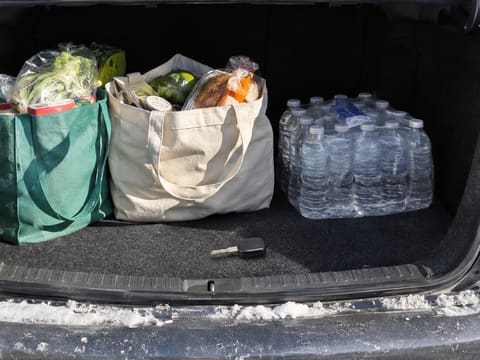
If the key will not turn in the cylinder, the lock itself may have ice inside it. A purpose-made lock de-icer, which comes in a small aerosol can, can melt the ice quickly. Insert the straw into the keyhole and spray for a few seconds. Wait a moment, then try the key again. Do not use a lighter or any open flame near the lock; that can melt plastic parts and damage the cylinder. Some people carry a small packet of silica gel or a dedicated lock lubricant to prevent freezing, but if you are already locked out, you need a solution that works in the moment.
When the door is frozen at the seal
If the door is stuck because the rubber seal is frozen to the body, you can sometimes free it by pressing gently along the outside edge of the door with the palm of your hand. Work your way around the door, pressing firmly but not violently. The idea is to break the ice bond without distorting the door panel. Another approach is to pour room-temperature water (not hot) along the top and side edges of the door, avoiding the window glass. The water should be just slightly warm to the touch, not steaming. Let it sit for a minute, then try the handle again. If it works, dry the door seal and the door frame with a cloth to stop the water from refreezing.
An air wedge can also be useful. This is a deflated plastic wedge that you slide between the door and the door frame near the latch. By pumping it up, you create a gap that breaks the ice seal without scratching the paint. Air wedges are sold at auto parts stores and are designed for opening car doors without damage.
If none of these methods work, the ice may be inside the door cavity itself, where the latch mechanism lives. That is harder to reach without tools, and forcing the door at that point risks breaking internal parts.
When you need professional help
There are times when a frozen door will not respond to any gentle method. The latch may be mechanically seized, the key cylinder may be completely blocked, or you may have bent the key trying to turn it. In those cases, a mobile locksmith can help. They carry tools designed to work on frozen locks without damaging the car. They can also open a door that is frozen at the latch without prying the frame.
For drivers in the Brampton area, a mobile locksmith Brampton service such as lockedkeysincarbrampton.com can respond to a frozen door situation. They bring de-icing solutions, professional lock picks, and the experience to handle ice-bound latches and cylinders. They can also help if you have broken a key off in the frozen cylinder, which is a common result of forcing a stuck key.
Preventing the problem next time
A little preparation can save you a cold, frustrating wait. Before winter sets in, check the rubber door seals for cracks or gaps. Clean them with a mild soap solution and dry them thoroughly. Then apply a thin layer of silicone-based lubricant or a dedicated rubber seal conditioner. That keeps the rubber flexible and less likely to freeze to the door frame.
Spraying a small amount of lock lubricant or lock de-icer into each key cylinder before a freeze can keep moisture from building up inside. Silicone spray is a better choice than oil-based products, which can attract dust and gum up over time. If you park outside, try to clear snow from around the door edges before the temperature drops further. Even a few minutes of effort in the evening can reduce ice buildup overnight.
Another simple habit is to dry the door seals with a cloth after washing the car or after driving through slush. Moisture trapped in the seal groove is what causes the door to freeze shut. A quick wipe takes ten seconds and can save you twenty minutes in the morning.
Understanding the limits of DIY fixes
It is also worth knowing when to stop trying. If you have been working at the door for more than ten minutes with no progress, call for help. Continuing to pull, pry, or hammer increases the chance of damage. A broken door handle or a bent latch can be much more expensive to repair than a mobile locksmith visit. And if the temperature is well below freezing, your fingers will be too cold to feel what you are doing anyway, which makes accidents more likely.
A mobile locksmith Brampton service like lockedkeysincarbrampton.com can often reach you within a short time. They bring tools that can gently release a frozen latch or open a locked car when the key will not work. They can also make a new key on the spot if yours has broken off inside the lock. The cost is usually far less than a trip to a dealership or an auto body shop for a damaged door.
Final check before you go
If you do manage to get the door open, take a moment to clean the door seal and the latch area with a dry cloth. Close and open the door a few times to make sure nothing is still sticking. If the door does not close properly, the latch may still be partially frozen. In that case, warm the latch area with a hair dryer on low heat or pour warm (not hot) water over the latch striker on the door frame. Once the door closes and latches normally, you are good to go.
A frozen door is a nuisance, but it is rarely a disaster. With a calm approach and the right tools, you can usually get back on the road without damage. And when the ice is stubborn, a mobile locksmith is the safest way to solve the problem without turning a frozen door into a broken one.